For 38 Years I Guided Planes From Memory. Then I Learned Which Common Foods and Drinks Were Quietly Draining It.
For thirty-eight years I held a dozen call-signs, altitudes and headings in my head at once, no notes needed. In retirement, I set out to keep that same edge — until my granddaughter showed me which everyday foods and drinks were silently working against my brain.

For thirty-eight years I could hold a dozen aircraft in my head at once — call-signs, altitudes, headings — and never once reach for a note. My mind was the tool I trusted most — and in retirement I simply wanted to keep it that way. That's what first got me curious about how everyday habits, including the foods and drinks I never thought twice about, might be affecting my brain.
Like a lot of people past sixty, I noticed the ordinary stuff of a busy mind — a word that takes an extra second to arrive, that mid-afternoon lull when focus dips and no amount of coffee fixes it. I'd been eating the same way for decades: cereal in the morning, a diet soda with lunch, the usual pantry staples. Nothing alarming, and nothing I ever questioned.
And after a whole career spent catching the smallest change on a radar screen, I wasn't content to just shrug and call it age. I wanted to see what the research actually said — about diet, about the brain, about why so many sharp people seem to lose their edge after sixty.
My granddaughter is a research assistant in a university neuroscience lab, and over dinner that spring I asked her something I'd been turning over for a while: what actually keeps a mind sharp and focused as it ages? And could the things I eat and drink every day have anything to do with it?
She didn't look worried. She looked interested. "Have you ever heard of BDNF?" she asked.
She explained it the way you'd explain it to a music teacher. BDNF — Brain-Derived Neurotrophic Factor — is a molecule some neuroscientists call "fertilizer for the brain." It helps brain cells talk to one another and supports the everyday work of learning, focus, and memory. And levels of it, she said, tend to drift lower as we age.
"So what raises it?" I asked. "And what lowers it?"
"That's the part most people don't hear," she said. "Movement and sleep raise it. A specific brainwave rhythm — gamma waves — may encourage it too. But here's the problem: certain everyday foods and drinks actually deplete it. Refined sugar. Artificial sweeteners like aspartame. Seed oils high in omega-6. The stuff that's in almost every American pantry."
I thought about the diet soda I drank with lunch every day. The cereal I'd had that morning. The cooking oil I never thought to question.
I did what any retired controller with too much time does: I read everything I could find. And what I found about everyday foods and the brain genuinely surprised me.
Study after study pointed in the same direction: diets high in processed sugar, artificial sweeteners, and heavily refined seed oils were linked to lower BDNF levels, increased brain inflammation, and faster cognitive decline. One Harvard-affiliated review found that people who regularly consumed sugary beverages had measurably poorer memory performance. A separate NIH-funded study linked artificial sweetener intake to changes in the brain regions responsible for learning and recall.
The foods I'd never questioned — the bread with high-fructose corn syrup, the "sugar-free" drinks with aspartame, the vegetable oils in everything — weren't just bad for my waistline. They were quietly starving my brain of the very molecule it needed to stay sharp.
But diet was only half the picture. My granddaughter also mentioned that a team of neuroscientists and sound engineers had turned the gamma-wave principle into something anyone could use at home. Not a clinic. Not a prescription. A 12-minute audio track, engineered to gently guide the brain toward those gamma frequencies using layered sound patterns. They called it The Brain Song.
The idea was to pair two approaches: clean up what goes into the body, and give the brain the rhythmic stimulation it responds to. One without the other, she said, was like watering a garden you're still spraying with weed killer.
The more I read, the clearer the picture became. Brain health isn't about one magic fix — it's about removing what harms and adding what helps. On the food side, the research pointed to a handful of common culprits. On the sound side, the principle was surprisingly intuitive.
Think of two identical tuning forks: strike one near the other, and the second begins to hum at the very same pitch. Your brain does something loosely similar — presented with a steady pattern of sound, its own electrical activity tends to drift toward that pattern. Researchers call it entrainment.
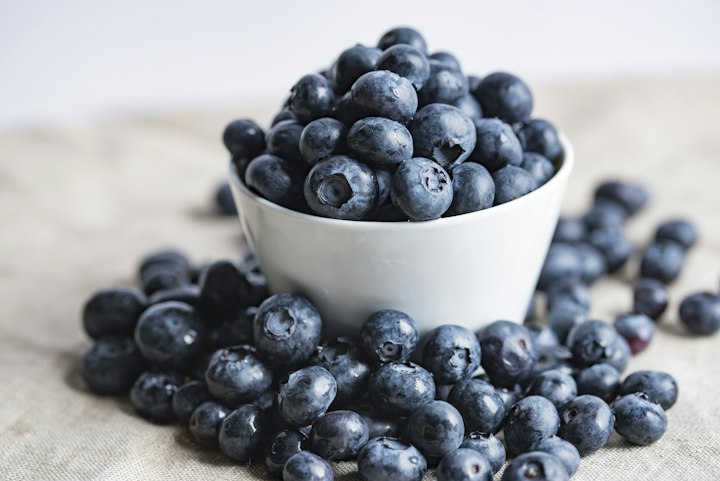
I started on a Monday. I swapped the cereal for eggs and berries, dropped the diet soda, switched to olive oil, and set a daily alarm for twelve minutes with headphones and The Brain Song. I kept notes — forty-one years of charting is a hard habit to break.
Dropped the afternoon diet soda and sugary snacks. The Brain Song session was calmer than I expected — like the room went quiet in my head. Missed the soda more than I'd like to admit. Too early to call any of it a win. Wrote it down anyway.
My afternoons feel longer. That two o'clock fog didn't roll in the way it usually does — and I'm no longer riding a sugar crash to get there. The combination of cleaner eating and twelve minutes of sound each morning is starting to feel like a real routine, not an experiment.
Ran into a former colleague at the hardware store and his name arrived the instant I saw him — first time in months. My daughter said I seemed quicker on the phone. I hadn't told her I'd changed what I eat or that I'd started The Brain Song.
I'm careful about what I claim. I'm a controller, not a scientist, and three weeks is three weeks. But between cutting the foods that were quietly draining my brain and adding twelve minutes of sound each morning, I feel clearer than I have in a long time. I have absolutely no plan to stop.